AI news
Claude Duet, ChatGPT dots and Grok Bot: what changes for AI visibility?

Published October 23, 2026 · Auden AI
A buyer asks AI to find three suppliers. The assistant checks websites, compares the options and brings back a shortlist. Your buyer may start there.
Claude Duet, ChatGPT dots and Grok Bot are built to take on this kind of ongoing work. They can use tools and keep working between conversations. That could change how people find your business. But the details matter: who can use each product, what it can do, and where it still needs help.
This comparison covers the officially documented agent products. “Claude Duet” is Anthropic’s exact name. OpenAI styles its product dots; “ChatGPT dot” refers to an individual dot in ChatGPT. “Grok Bot” here means the agent product at x.ai/bot, not the general Grok chatbot or an automated reply account on X.
Make it easy to understand what you do. Put the facts a buyer needs where they can be read and checked. Those basics may matter more as people hand research to assistants. We cannot yet say how much these three products affect buying decisions. No page change guarantees a recommendation.
What is available today?
Availability checked October 23, 2026. An announcement tells you when a product arrived. The current help pages tell you who can use it now.
| Product | Announcement | Current access | Core approach |
|---|---|---|---|
| Claude Duet | October 21, 2026 | Waitlisted research preview for US Pro and Max subscribers. Invitations arrive in waves; Team and Enterprise are not yet included. | An assistant that works ahead, using its own cloud computer, browser and connected apps. |
| dots in ChatGPT | September 29, 2026 | Gradual rollout to eligible Pro and Business Premium users aged 18+. Pro excludes the EEA, Switzerland and UK. Enterprise beta requires admin enablement. | An assistant with a cloud computer, memory and connected tools. You can choose to connect your own computer. |
| Grok Bot | August 11, 2026 | The current product page lists Premium, Super, Ultra, Teams and Enterprise. Its FAQ explicitly says Enterprise is generally available. | Multiple named Bots coordinating work on a persistent cloud computer shared by that user’s Bots. |
Sources: Anthropic’s announcement and Duet eligibility guide; OpenAI’s announcement and current dots help; Grok Bot’s launch post and current product FAQ.
Claude Duet: work that comes to you
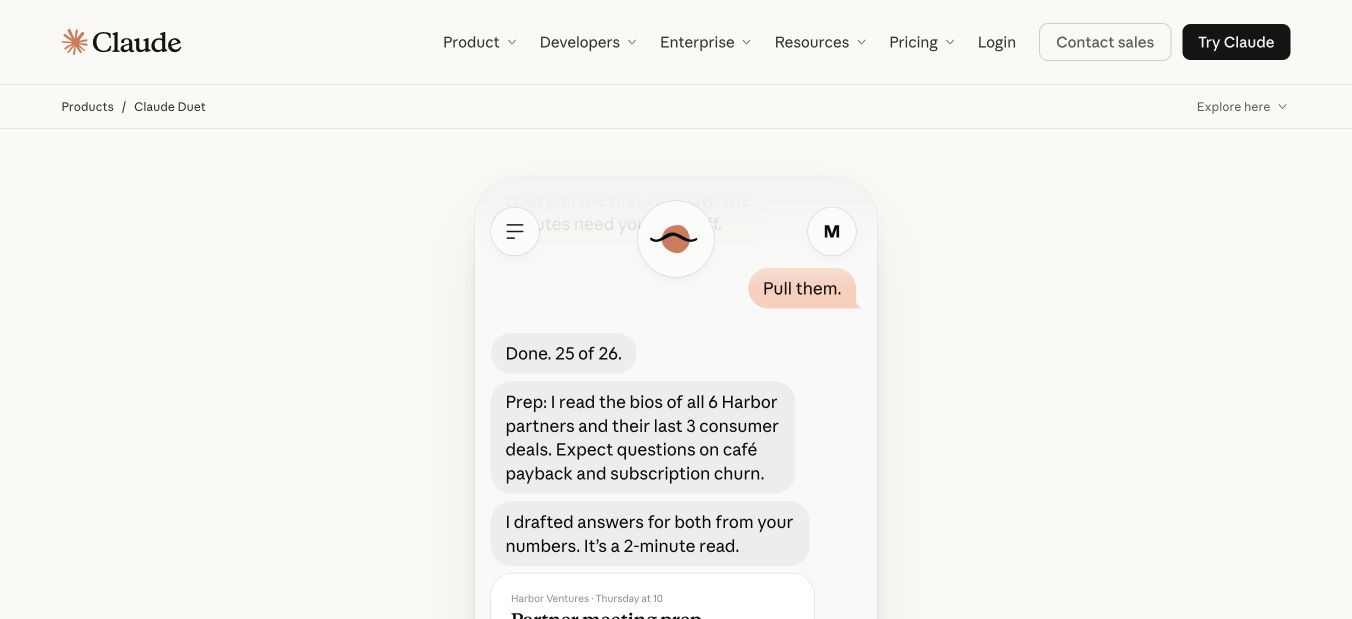
Duet brings work to your attention and keeps going while you are away, according to Anthropic. Its examples include morning briefs, scheduling, business research and creating working documents. Duet uses Claude Opus 5.5, with a separate mobile app for iOS and Android and access through claude.ai.
The limits matter. Connected-app checks happen periodically, not continuously in real time. Background work consumes plan usage. Duet asks before actions such as sending, paying, signing or deleting, and some actions remain off-limits. Its help page says users cannot yet watch or take over its browser. A vendor’s example shows what it intends the product to do. It does not prove that your task will work on every website.
ChatGPT dots: pick up where you left off
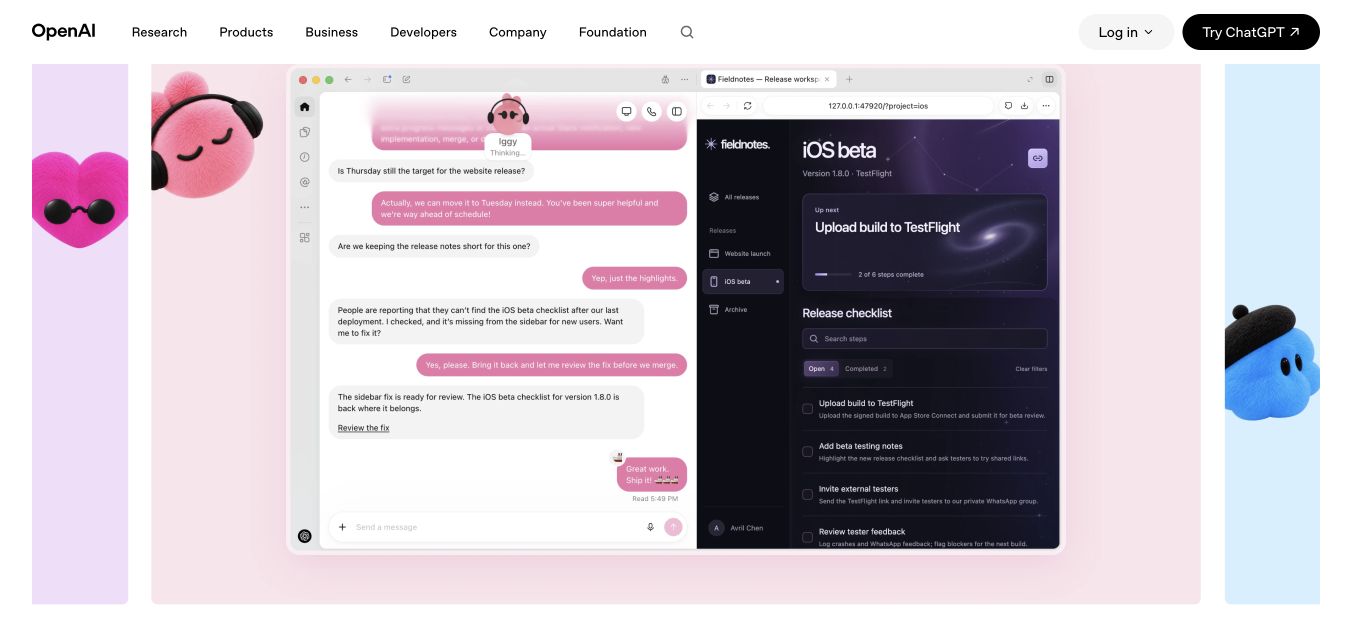
A dot keeps context between conversations. It has a cloud computer so it can keep working on a project. The announcement identifies GPT-6 Astra as the underlying model and shows examples spanning research, documents and software work. Messaging channels include ChatGPT, Slack and Teams.
There is an important limit to its background research. OpenAI says a dot looking for ways to help while idle can only read through connected-app tools. When you give it a task, it may take actions under the permissions and approval rules for that task. It does not automatically get access to your own computer.
You can now set up a dot in the iOS or Android app, or on desktop. Mobile web is not supported. OpenAI has also described specialist dots for organizations, but those are focused pilots. Do not assume they are included in your account. Check access and usage limits before relying on them.
Grok Bot: give each Bot a job
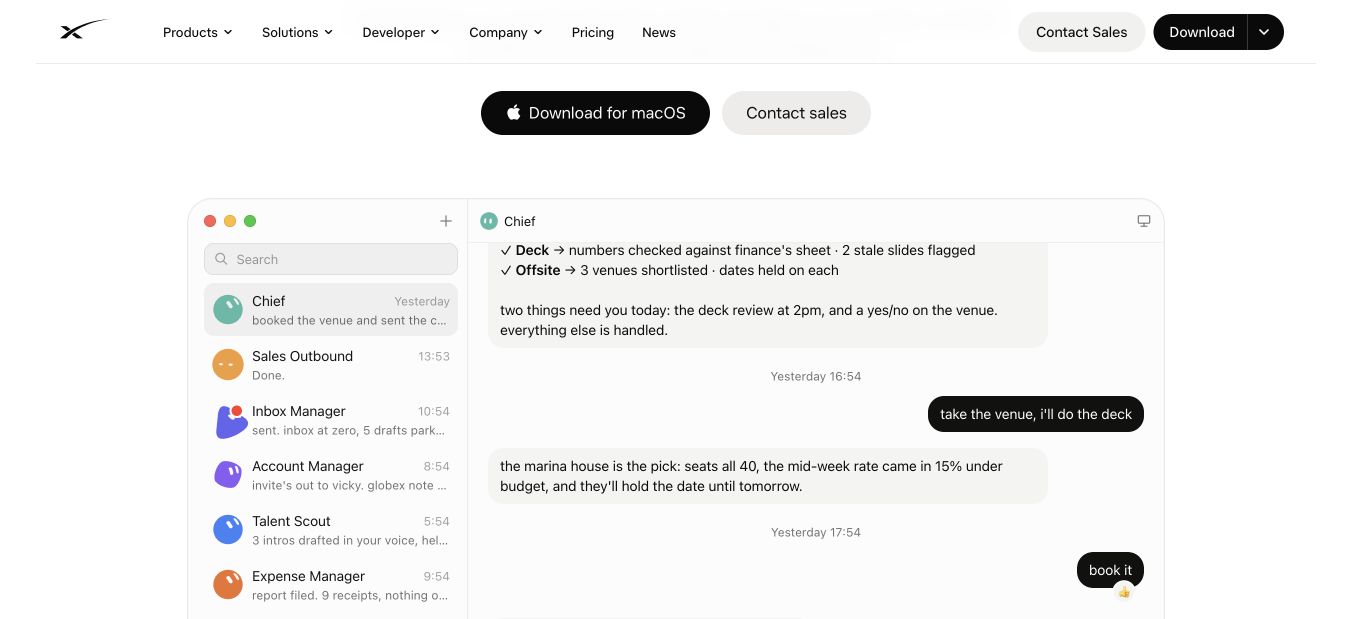
Grok Bot lets you give different jobs to different Bots. They can work together in group chats, keep context and learn routines. The current FAQ explains that the Bots belonging to a user share files, browser sessions and logins on one persistent cloud computer. That separation is between users, not between Bots. Creating a new Bot does not give it a separate private workspace.
This is also a useful example of why date-specific research matters. The August launch described a beta and an Enterprise waitlist. Today’s product page explicitly describes Enterprise availability and a different plan list. The October 22 changelog adds Pages for reports, memos and dashboards that can be edited collaboratively or kept updated, alongside video creation. The changelog shows what has been added. It does not tell us how many people use it or how well it works for them.
What changes when AI makes the shortlist?
All three are moving beyond a single answer. You hand over work, the assistant uses tools, and it comes back with something to review. Access and approval rules differ. So does the way you work with each one. Public demos do not tell us which is most reliable at researching a purchase, or how often buyers use them that way.
Here are three ways this could affect your business. They are possibilities, not measured outcomes:
- The buyer may only see a few options. Ask an assistant for three accounting tools that work with QuickBooks, and its brief may become your shortlist. A supplier it never finds may never get considered. We do not have data showing how often that happens.
- Give it something useful to compare. What does it cost? Does it work with the buyer’s software? Is it available in their area? Clear answers help people and assistants compare offers. They do not guarantee that yours will be found or chosen.
- A blocked page can stop the work. A cloud browser may encounter bot defenses, expired sessions or a human verification step. OpenAI’s computer documentation and Grok Bot’s overview describe such limits. A blocked pricing page can interrupt research, but access decisions must still account for fraud, privacy and abuse.
Our prediction: if more buyers hand research to assistants, clear and accessible business information may help brands enter more shortlists. How much it helps will depend on the products, their users and how they find information. More users alone would not prove that a GEO change brought in more revenue.
What businesses can improve now
- Answer the buying questions. Explain who the offer fits, what is included and excluded, pricing or how a quote is calculated, implementation needs and relevant policies. Keep important facts in readable pages, with dates and accountable owners.
- Know what you are allowing to read your site. Follow each vendor’s current documentation when setting crawler controls. A search crawler, a training crawler and an agent operating a browser are not interchangeable. Do not disable security controls or invent allowlists based on a product name.
- Make evidence easy to inspect. Use specific examples, documented methods and clearly bounded claims. Where structured data applies, make it match visible content. Markup is a description of the page, not a promise of AI inclusion.
- Test the actual buying questions. Record the exact question, product, mode, date, available account context, answer and sources. Repeat a defined sample. A single mention is an observation, not a durable ranking.
- Check what changed. Count mentions, source links, website visits, inquiries and sales separately. Say how many answers you checked and what you could not measure. A mention may matter without a click. A visit does not prove a sale.
Choosing the best GEO agency for this work
The best GEO agency for your business should show you the work. Which buyer questions did it check? What did the answers say? Which pages need changing, and who will change them? Agree on what a completed job looks like before you start.
Ask for evidence you can keep. If results change, ask why. A model update, a competitor’s new page or a different set of questions could explain the difference. The agency should check those possibilities before taking credit.
Auden AI’s GEO and AEO buyer guide explains the foundations. Use the procurement scorecard to assess proposals, including ours, and review the GEO services scope. No agency controls whether Claude, ChatGPT or Grok recommends a brand. The Auden AI checker remains a demo and is not evidence of multi-engine performance.
How we checked this article
Claude researched public sources and wrote the first draft. We checked the important claims against the official pages linked above. That caught outdated access details, including Grok Bot’s Enterprise status and mobile setup for dots. We also removed claims we could not support.
We have not tested these products against each other. The screenshots show real captures of the vendors’ public demos; they do not prove a task succeeded in our hands. Features and access may change after October 23, 2026. We make no claims about market share, user numbers or guaranteed business results.
Keep reading
 Playbook
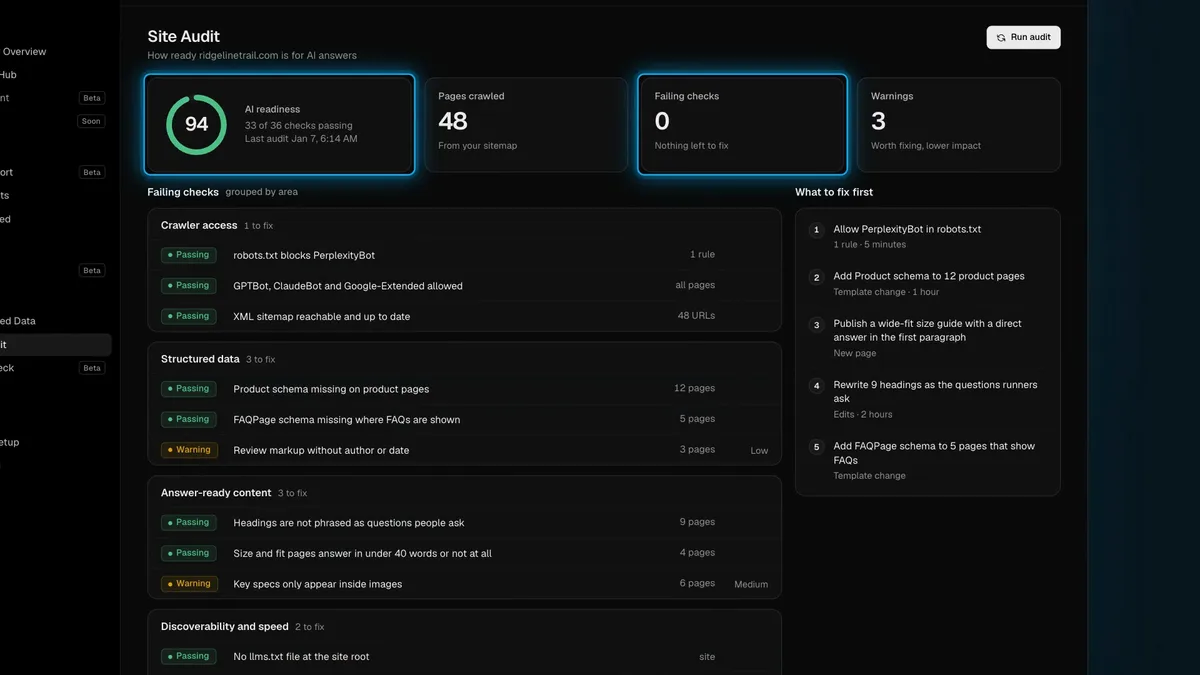
The Click After the Citation: Is Your Page Ready for an AI-Referred Visitor?
A citation can lead someone to your page. Does the page help them finish the task? Use these four checks to review the answer, supporting detail and next step.
5 min read
 Playbook
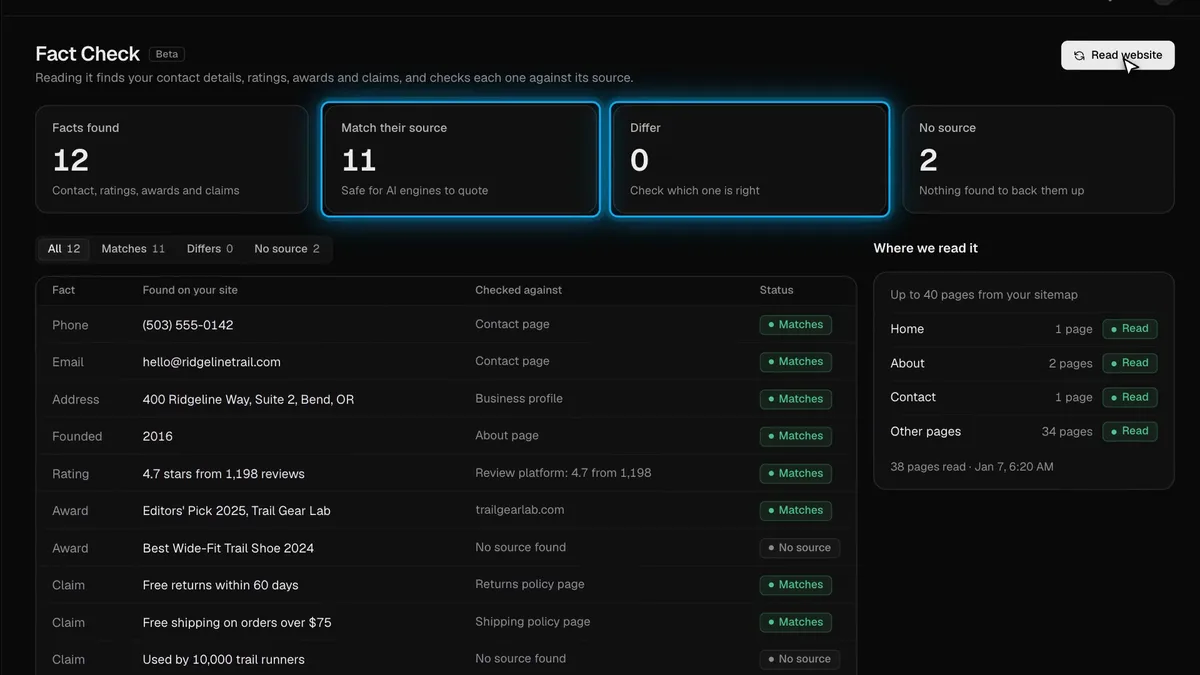
AI Knows Your Brand. Does It Have the Facts Right?
Showing up in AI answers is one question. Being described correctly is another. Here's a repeatable way to log what AI says about your brand, label each claim against verified facts, and correct the sources you can reach.
6 min read
 Playbook
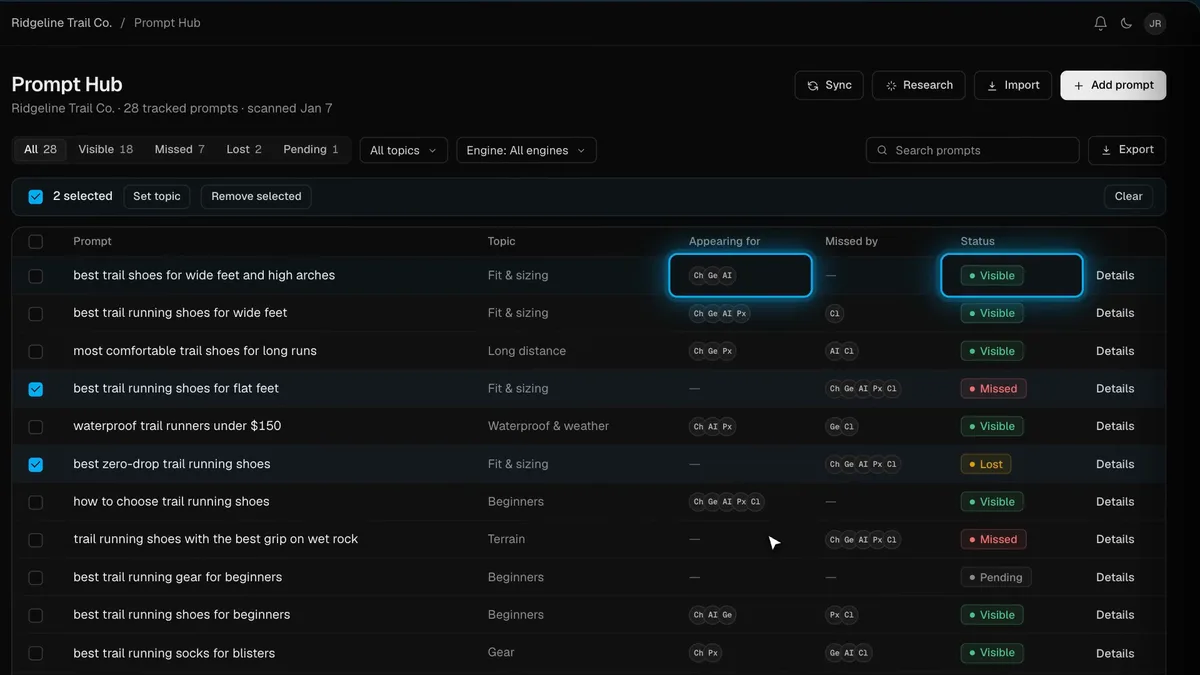
What should your next GEO investment fix?
A popular tactic may be the wrong next task for your website. Use four practical gates to decide what to fix, what to fund and how to measure the result.
6 min read