AI search
Google's AI Search Shift: What It Means for Ecommerce Advertising
By Chief Strategy Officer, Auden AI4 min read
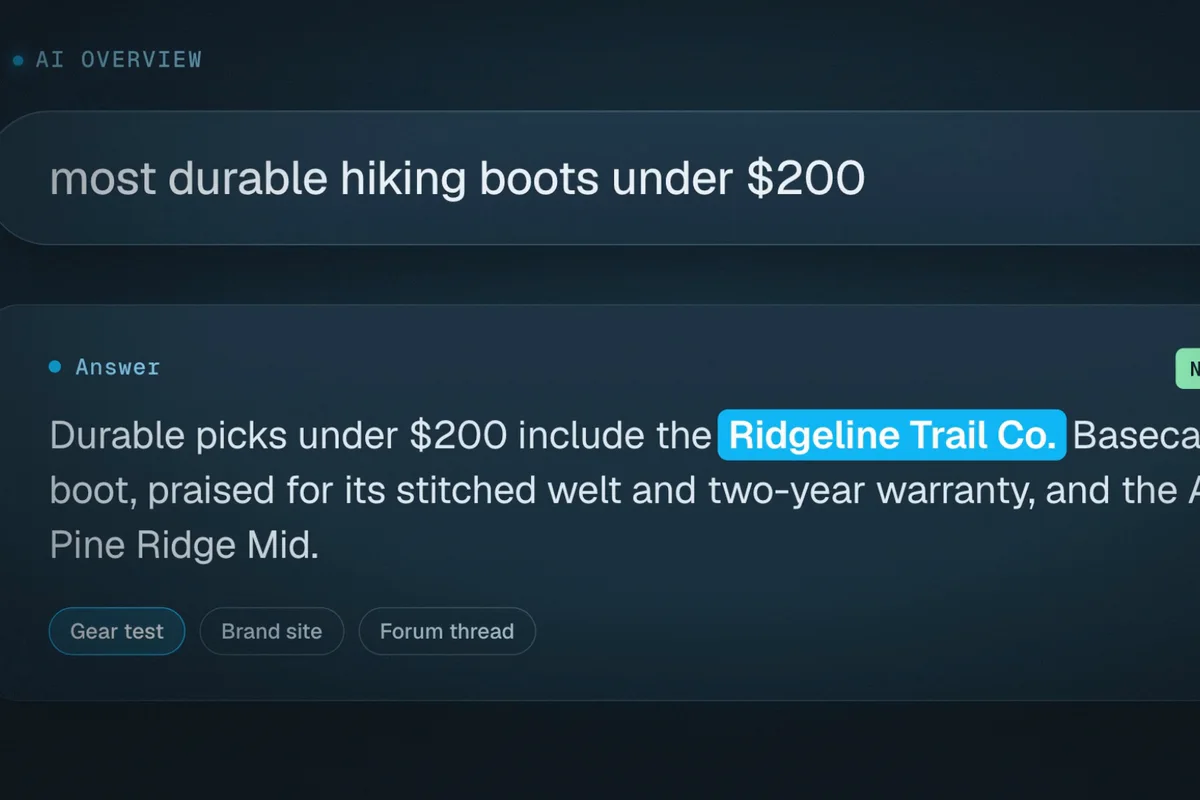
Search is changing from a list of links into a more conversational experience that can help people research, compare and make decisions. For ecommerce brands, that shift affects more than organic rankings. It changes how consumers express intent, how products are discovered and where advertising may appear along the journey.
People are searching differently
Google has described AI Mode as an experience that supports longer, more exploratory questions. In its May 2026 update, Google said AI Mode queries averaged roughly three times the length of traditional Search queries. That matters because a shopper may now describe a situation, a set of preferences or a problem rather than enter a short category keyword.
A query such as “running shoes” gives limited context. A conversational request might explain the shopper’s weekly mileage, preferred terrain, injury concerns, budget and desired fit. That richer context creates an opportunity for products to be matched to more specific needs. It also raises the bar for product information: brands need to explain not just what a product is called, but what it does and who it is for.
AI search is also an advertising environment
Google has been testing and expanding ad experiences within AI-powered Search. In May 2026, Google described new ad formats in AI Mode designed to provide product details and guidance. In October 2026, it announced an expansion of ads in AI Mode to additional markets and the launch of multiturn ads in the United States, allowing ads to appear in follow-up queries. Google says sponsored placements are labeled.
This is important for advertisers because the conversation may continue after the initial query. A shopper can ask a follow-up, refine a preference or introduce a new constraint. The opportunity is not simply to match a keyword. It is to be relevant at the point where the shopper is evaluating a choice. At the same time, brands should distinguish announced formats and tests from features that are broadly available in every market or campaign type.

What changes for ecommerce brands
First, product content needs to be specific. Generic claims such as “premium quality” or “great performance” provide little help when a shopper is asking for a product that solves a particular problem. Strong product information explains features, benefits, intended use, materials, dimensions, compatibility, care instructions and meaningful limitations.
Second, brands need consistency across their digital footprint. Product pages, retailer listings, brand websites, comparison content and structured product data should reinforce the same facts. If the website says one thing and the marketplace listing says another, the consumer and the AI system may encounter conflicting signals.
Third, advertising strategy should adapt without abandoning fundamentals. Continue to manage query coverage, creative, budgets and conversion performance. But also evaluate how campaigns support discovery and consideration in longer, more contextual journeys. Review new AI Mode ad formats as they become available, test them against clear objectives and assess performance alongside the rest of the search portfolio.
Measure the full search experience
A click is still useful, but it may not describe the entire value of an AI search interaction. Consumers may use an AI response to learn, compare and narrow choices before clicking a retailer, visiting a brand site or searching directly for a product. Brands should monitor organic traffic, paid search performance, branded demand, product page engagement and conversion together.
Google has also announced changes intended to make links and sources more visible in AI Mode and AI Overviews, along with additional tools and insights for website owners. That reinforces the importance of creating content worth citing and making it easy for users to continue their research. Clear explanations, original expertise, useful comparisons and accurate product details give consumers a reason to visit the source.
Prepare for a more contextual search landscape
The shift to AI search does not make SEO or paid search irrelevant. It changes the environment in which both operate. Brands still need to understand demand, provide relevant answers, maintain technically sound websites and invest in advertising where it produces incremental value.
The advantage will go to brands that connect the dots between consumer intent, product information and discoverability. Instead of optimizing only for a short list of keywords, ecommerce teams should ask a broader question: when a shopper explains what they need in their own words, does the platform have enough accurate information to understand why our product belongs in the consideration set?
Sources and further reading
Related articles
 AI shopping
From Search Bars to Conversations: The Future of AI-Powered Shopping
Shopping has traditionally started with a search box. A consumer enters a keyword, scans a list of products and opens listings to compare options.
4 min read
 Measurement
Your Customer Discovered Your Product Through AI. Did You Measure It?
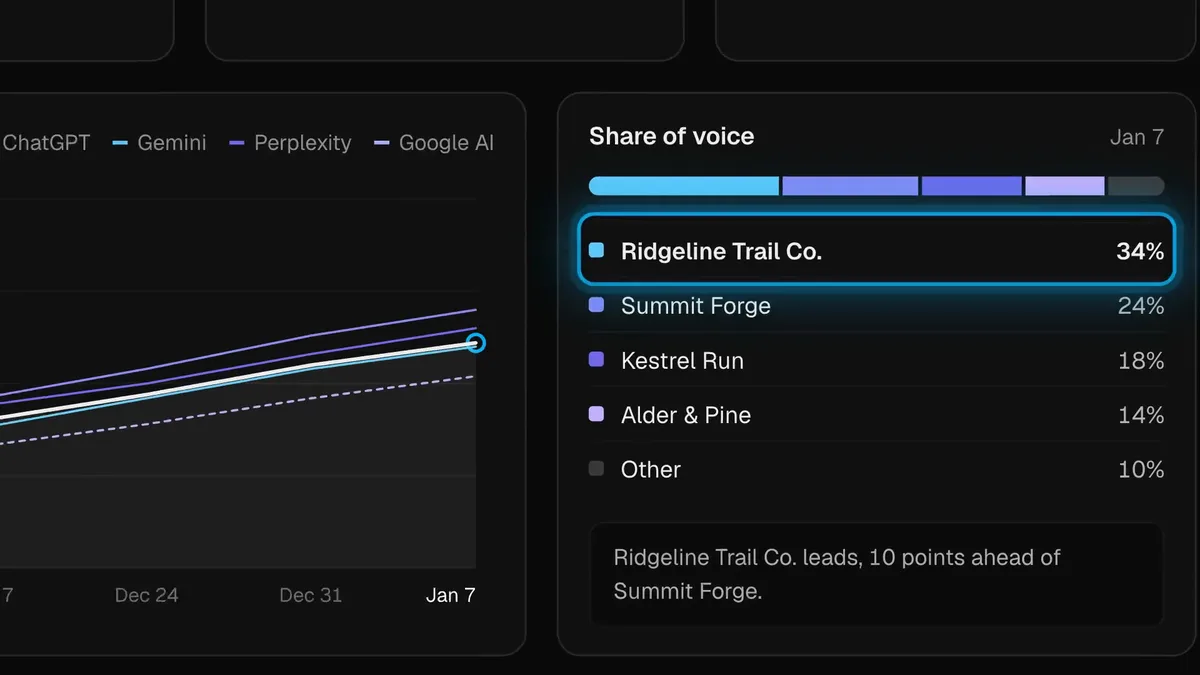
A customer can discover a product in an AI conversation, open a marketplace app later and complete the purchase without leaving an obvious trail that connects the two events.
4 min read
All Resource Center articles →