AI shopping
From Search Bars to Conversations: The Future of AI-Powered Shopping
By Chief Strategy Officer, Auden AI4 min read
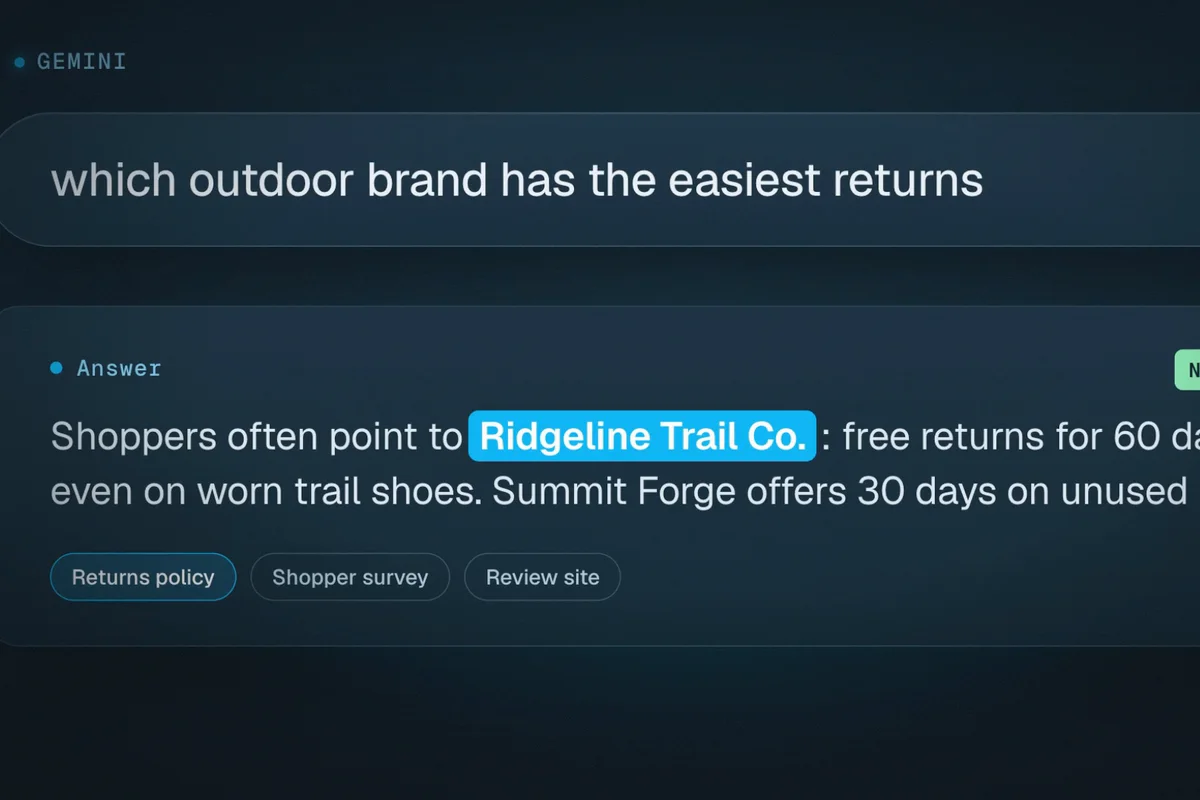
Shopping has traditionally started with a search box. A consumer enters a keyword, scans a list of products and opens listings to compare options. That behavior is not disappearing, but AI is adding another way to shop: describe what you need, ask follow-up questions and let an assistant help narrow the choices.
From keywords to intent
A search term often leaves much of the shopper’s intent unstated. Someone searching for a coffee maker may have a specific counter space, budget, brewing preference or household size in mind. In a conversational experience, the shopper can explain those requirements directly. The assistant can ask follow-up questions, compare relevant attributes and help the consumer move toward a decision.
That shift changes what it means for a product to be discoverable. A product title and a few broad keywords may help match a conventional query, but a conversational system needs a richer understanding of the product: what it does, who it is for, how it differs and which needs it can satisfy.
Two examples of the shift
Meta introduced Muse in September 2026 as a personal AI agent designed to take actions across connected services, including shopping. Meta describes Muse as a conversational agent that can work through a browser, help with tasks and make purchases with user oversight. The announcement highlights a messaging-style interaction rather than a traditional search-results page. Muse is broader than a shopping assistant, but shopping is one of the activities it can support.
Amazon has been evolving its own shopping assistant experience. Alexa for Shopping brings conversational shopping capabilities into Amazon’s ecosystem, and in November 2026 Amazon began introducing a text-based way for select customers to interact with Alexa for shopping. That matters because the experience is not limited to speaking to a smart speaker. A shopper can use text to describe what they want and continue through a guided interaction within Amazon’s environment.
These examples are not the same product or business model. Meta’s Muse is a personal agent intended to work across services, while Amazon’s Alexa for Shopping is designed to serve shopping within Amazon’s own ecosystem. But both point toward a consumer experience where the shopper can express intent in natural language rather than relying only on a keyword search and a long list of listings.
The platform battle is also a customer relationship battle
As agents become capable of taking actions, retailers and marketplaces have to decide how much access outside agents should have to their catalogs, accounts and checkout systems. Amazon’s decision to block Meta’s Muse from shopping on its site illustrates the tension. A retailer may want customers to use its own AI assistant, while limiting external agents that could move the shopping relationship outside the retailer’s control.
Walmart has taken a different public direction with its Agent Profiles and Agent Gateway, which are designed to let customers use selected agents with permissions and controls. The contrasting approaches show that agentic commerce will not develop through one universal open standard overnight. Platform rules, consumer trust, data access and commercial incentives will shape which experiences become available.
What this means for brands
Brands should prepare for product discovery to happen in more places and through more types of interaction. A product may be found through a keyword, a visual search, a recommendation in an AI answer or a multi-turn conversation. The brand’s information needs to support all of those paths.
Start by improving the substance of product content. Make benefits and use cases explicit. Provide complete attributes, accurate specifications and clear variant information. Answer common pre-purchase questions. Explain product limitations and compatibility. Use consistent language across the brand website and marketplace listings so that consumers encounter the same facts wherever they research.
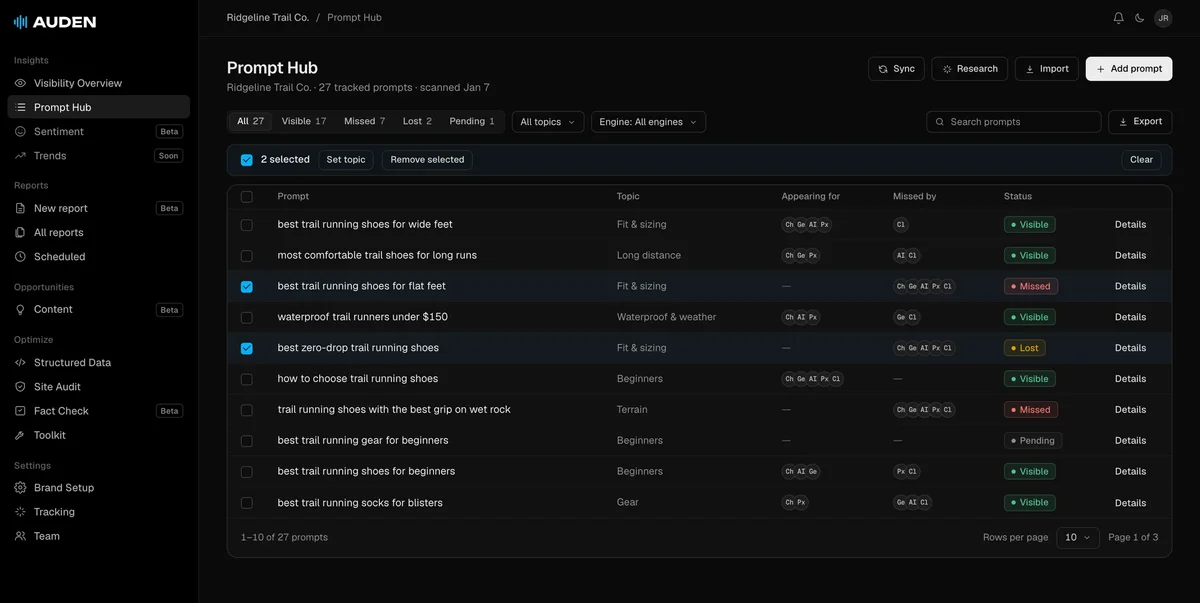
Then look beyond ranking positions. Test the prompts a consumer might use when describing a need, comparing options or asking for a recommendation. Record whether the product appears, whether the explanation is accurate and which competitors or sources are mentioned. Treat these checks as directional visibility research, not a guaranteed measure of total market share or sales attribution.
The next shopping interface is not one interface
Consumers will continue to use search bars, category pages, product listings and retailer apps. Conversational shopping will sit alongside those behaviors and may increasingly connect them. Some shoppers will prefer a retailer’s built-in assistant; others may delegate research to a personal agent or move between both.
For brands, the objective is to be understandable and relevant wherever the shopper begins. That means investing in accurate product information, clear differentiation and a consistent digital presence. The search box is not going away. It is becoming one of several ways consumers express what they want.
Sources and further reading
- Meta: Introducing Muse, the personal AI agentabout.fb.com
- Amazon text-based Alexa shopping coverage, TechCrunchtechcrunch.com
- Walmart: Making It Possible for Agents to Shop on Behalf of Customerscorporate.walmart.com
Related articles
 Agentic commerce
Walmart's Agentic Commerce Strategy: What Brands Need to Prepare For
Walmart is preparing for a shopping experience in which customers may ask AI agents to help them find and buy products.
4 min read
 Retail media
How AI Shopping Agents Could Change Amazon and Walmart Advertising
Retail media has grown around a familiar exchange: shoppers visit a retailer’s website or app, search for products, browse results and encounter sponsored placements along the way.
4 min read
All Resource Center articles →