ChatGPT
Businesses in ChatGPT: What Ecommerce Brands Need to Know
By Chief Strategy Officer, Auden AI3 min read
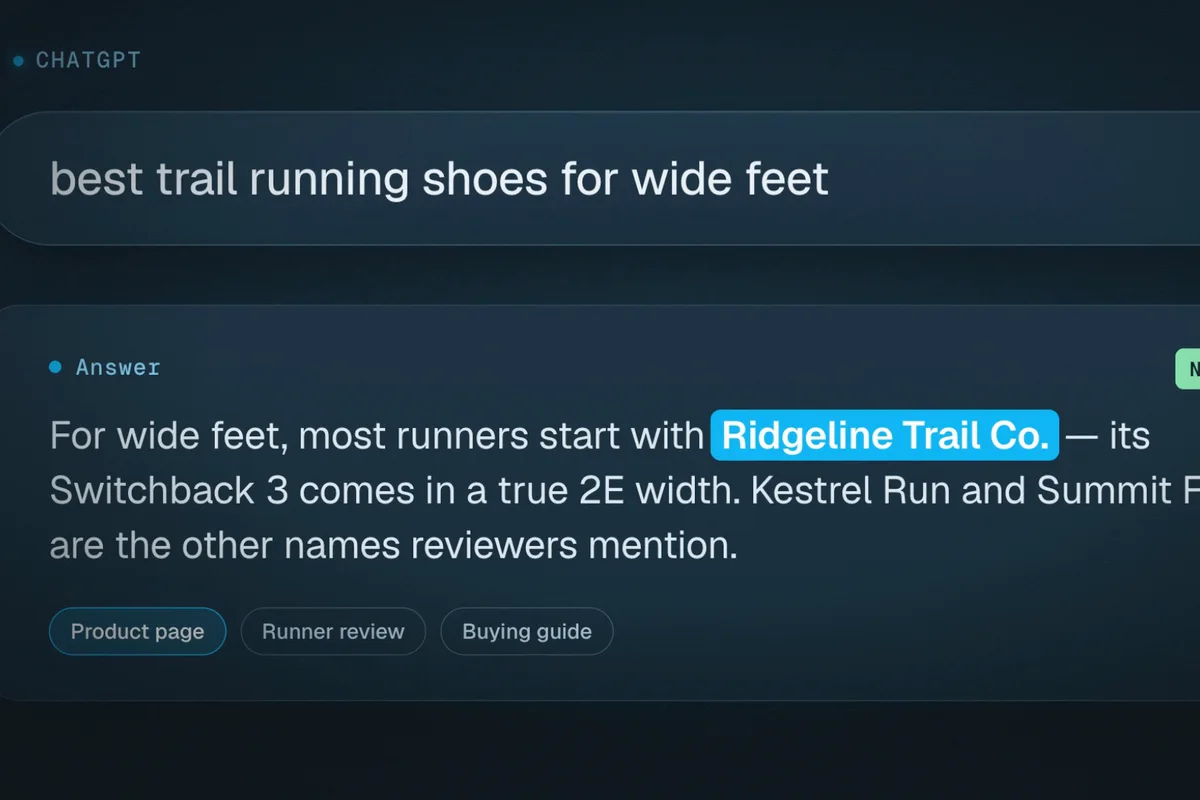
AI discovery is becoming a business channel, not just a place where consumers ask questions. OpenAI’s introduction of Businesses in ChatGPT gives eligible companies new ways to manage how they appear, understand how people engage with them and create a direct conversational experience for potential customers.
What OpenAI introduced
Announced in beta on November 10, 2026, Businesses in ChatGPT brings together three capabilities. Business Hub allows eligible companies to claim and verify a business presence, update key information and provide product feeds with pricing and availability. It also offers aggregated engagement insights, including business mentions, website clicks and common discovery topics in conversations where a company’s website is cited. For eligible U.S. ecommerce and online service businesses, Business Agents add a clearly labeled way for people to start a conversation with the business inside ChatGPT.
The distinction matters. A business profile helps ChatGPT represent a company using information the company can maintain. Product feeds can help keep product, price and availability details current. Insights give the business a view into how it is appearing and where people are engaging. A Business Agent creates a separate, business-controlled conversation that can answer questions and help people explore an offering. OpenAI says these business conversations are clearly distinguished from ChatGPT’s independent answers.
A new layer of brand presence
For years, ecommerce teams have focused on how their products appear in marketplace search results, traditional search engines and paid media placements. AI interfaces add another layer: the answer itself. A consumer may ask for recommendations, describe a need, compare alternatives and narrow a shortlist before ever visiting a retailer or brand website.
In that environment, a brand needs more than a well-optimized product page. It needs a consistent, understandable body of information that explains what the company offers, who its products are for, what makes them different and where they are available. If the underlying information is incomplete or contradictory, an AI system may have difficulty describing the brand accurately.
Business Hub does not mean a brand can dictate every answer ChatGPT provides. OpenAI’s announcement describes tools for managing business information and providing feeds, not a guarantee of placement, recommendation or favorable responses. Brands should treat the feature as an opportunity to improve the accuracy and usefulness of their information, not as a shortcut to visibility.
What ecommerce brands should do now
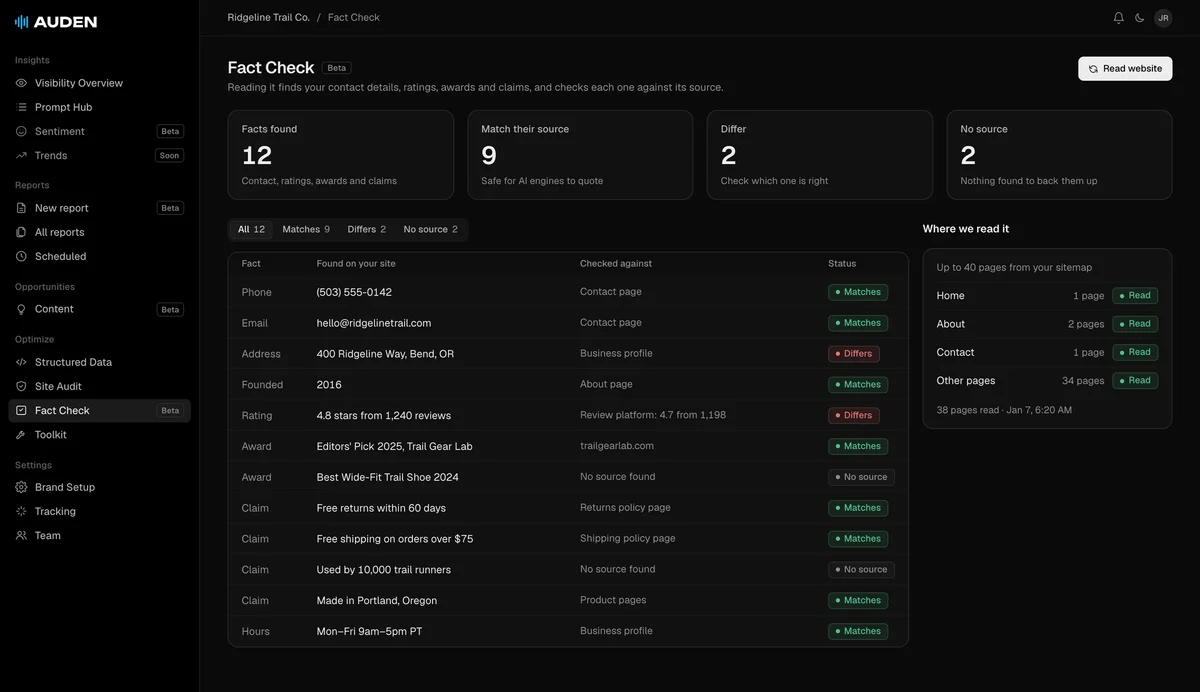
Start with the basics. Claim and verify the business presence if eligible. Review the company name, website, category, location and other key details. Make sure the product catalog reflects current titles, descriptions, variants, pricing and availability. Align the information in the feed with the brand website and marketplace listings so consumers are not encountering conflicting product facts.
Next, review how the brand explains its products. Product information should answer the questions consumers actually ask: What problem does it solve? Who is it designed for? How does it compare with alternatives? What are the important specifications, ingredients, materials or use cases? Clear, specific information is more useful than generic marketing language.
Finally, establish a process for monitoring the new insights. Track mentions and website clicks where available, review discovery topics and compare those signals with broader measures such as branded search, referral traffic, marketplace sales and conversion trends. The insights are aggregated and subject to privacy thresholds, so they should be treated as one input rather than a complete attribution system.
The bigger opportunity
Businesses in ChatGPT signals a broader change in how digital platforms connect consumers and companies. AI interfaces are becoming places where people research, evaluate and take action. The brands that prepare now will be better positioned to participate as these experiences mature.
The immediate priority is not to chase a new acronym or assume there is a single optimization trick. It is to make the business and its products easy to understand, accurately represented and supported by current information. That foundation will matter across ChatGPT and the wider set of AI-driven discovery experiences.
Sources and further reading
Related articles
 AI search
Google's AI Search Shift: What It Means for Ecommerce Advertising
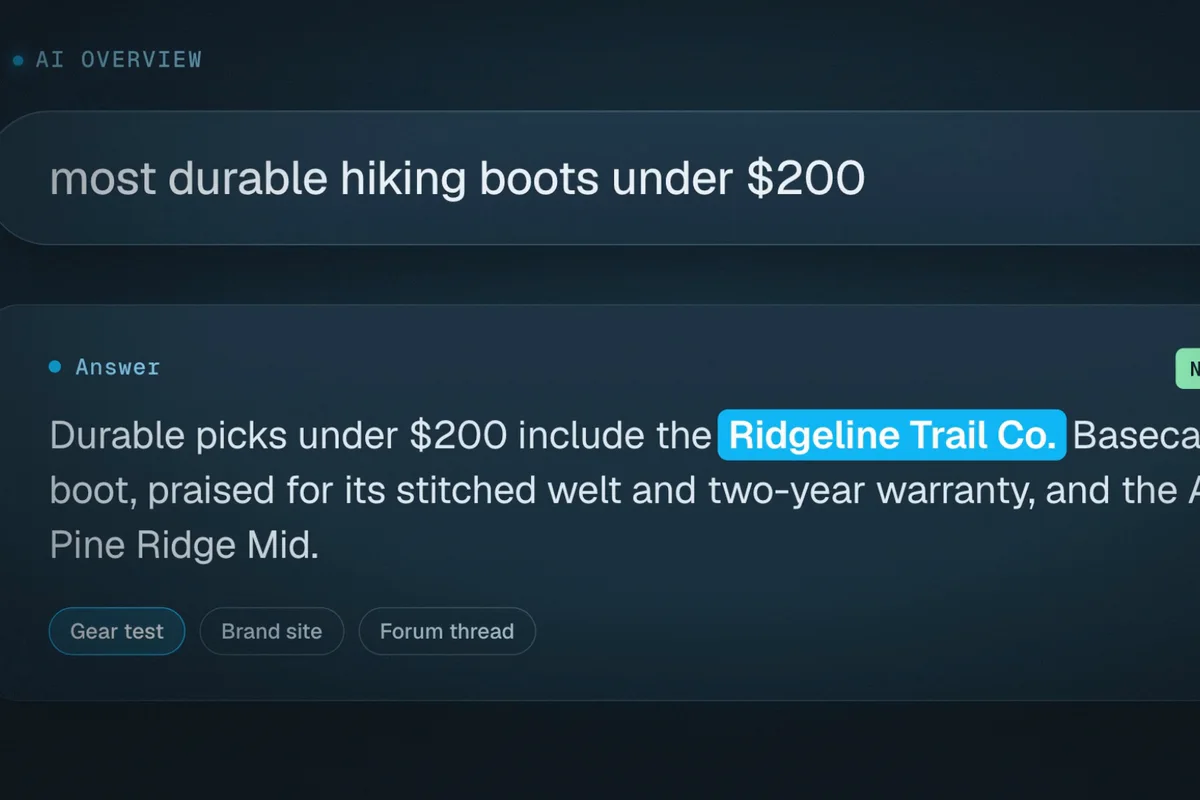
Search is changing from a list of links into a more conversational experience that can help people research, compare and make decisions.
4 min read
 Measurement
Your Customer Discovered Your Product Through AI. Did You Measure It?
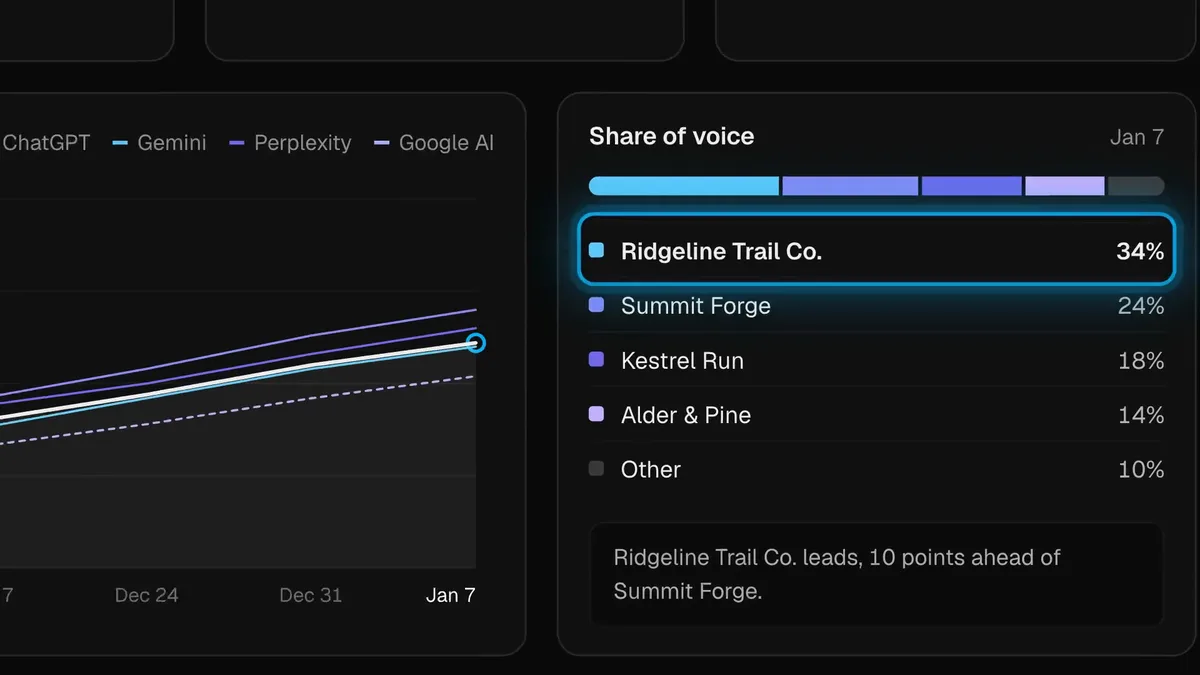
A customer can discover a product in an AI conversation, open a marketplace app later and complete the purchase without leaving an obvious trail that connects the two events.
4 min read
All Resource Center articles →